
How to Build an Integrated Online Monitoring Platform for Substations? Multi-Device Connectivity, Data Management, and O&M Efficiency
Date: July 24, 2026, 06:35:57
- The development of an integrated online monitoring platform for substations should focus on multi-device connectivity, unified data management, a clear user interface, and future scalability.
- The value of the platform lies in aggregating data from distributed devices to create a unified view of their status.
- When selecting a project, consider whether the platform supports data integration from different devices, protocols, and measurement points.
- The clearer the platform's functionality is, the easier it will be for operations staff to use it later on, and the easier it will be to leverage the value of the data.
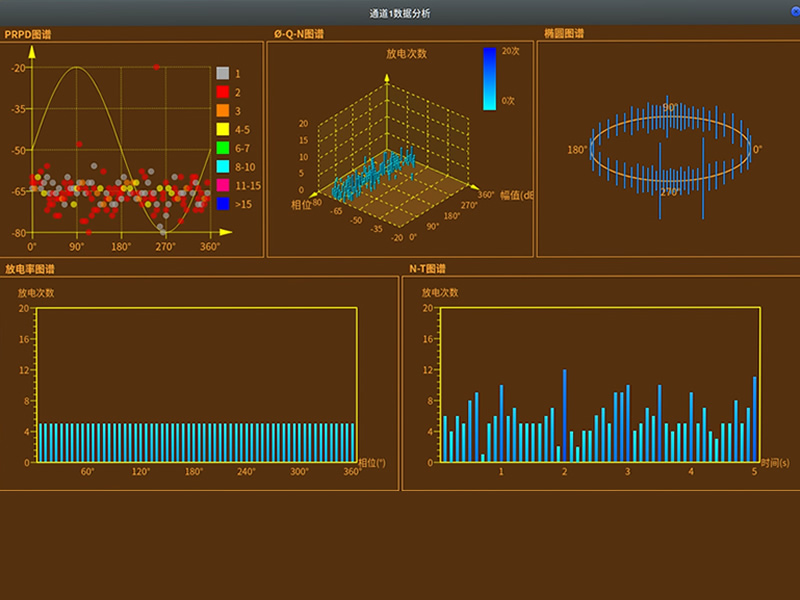
Online monitoring projects for substations typically involve various types of equipment, such as transformers, GIS, switchgear, bushings, partial discharge detectors, and oil chromatography analyzers. The key to an integrated online monitoring platform is to feed all this data into a unified backend system.
1. What equipment needs to be connected to the integrated online monitoring platform for substations?
Common access targets includeTransformer monitoring, oil chromatography, partial discharge testing, bushings, micro-moisture and density testing for GIS, switchgear, and wireless temperature monitoring, etc.
1.1 Why Unify the Platform?
A unified platform can reduce the need to switch back and forth between multiple systems, making it more efficient to check device status.
1.2 Can data from different devices be combined?
As long as the protocols, point tables, and data structures are clear, they can be displayed uniformly using device objects.
2. What features should you look for when selecting an integrated online monitoring platform?
Focus should be placed on data integration, graph display, device profiles, historical records, access control, and report export.
2.1 Why Are Graphs Important?
Trends that illustrate long-term changes form the foundation of equipment condition management.
2.2 What is the purpose of equipment records?
Equipment records can link measurement points, devices, locations, and historical data.
| Platform Capabilities | thrust | Project Value |
| Multi-Device Access | Transformers, GIS, switchgear, etc. | Centralized Management |
| Data Standardization | Standardize Names, Organizations, and Dates | Easy to look up |
| Trend Line | Historical Changes Display | Support Status Analysis |
| Expandability | Reserved Interfaces and Permissions | To make it easy to add equipment later |
3. How does platform data management affect subsequent operations and maintenance?
Effective data management determines whether you will be able to quickly retrieve device status, historical trends, and event logs later on.
3.1 Why is it important to standardize the naming of measurement points?
Consistent naming reduces the cognitive load and prevents a single device from having multiple names.
3.2 What is the value of preserving historical data?
Historical data can establish a baseline for equipment condition, facilitating future comparisons.
4. How does the smart online monitoring platform for substations improve operational efficiency?
The platform should make the device list, status diagrams, graphs, and record queries as clear as possible. Intelligent Online Monitoring Platform for Substations It can be used to view key data in one place, which helps with the later stages of project operation and maintenance.
4.1 What is the purpose of the homepage state diagram?
The home page status diagram provides a quick overview of the status of key equipment and monitoring points.
4.2 Should permission management be taken into account?
Yes. Different users can access different features, which facilitates system management.
5. What should be considered when implementing an integrated online monitoring platform?
During the implementation phase, verify the data tables, communication protocols, equipment names, backend pages, and historical data retention policies.
5.1 Why Is It Important to Organize Time Stamps?
The time stamp determines whether the background display is accurate and serves as the foundation for system integration.
5.2 What needs to be verified during communication integration testing?
Verify that data upload, time synchronization, unit display, and curve recording are functioning properly.
6. What factors should be considered in advance for the platform’s future expansion?
Future expansion will depend on the number of interfaces, protocol compatibility, data structures, and server resources.
6.1 What is the value of reserved interfaces?
Reserve an interface to facilitate the addition of new monitoring devices in the future.
6.2 Why Is Protocol Compatibility Important?
Protocol compatibility can reduce the difficulty of connecting different devices.
If you need to configure online monitoring systems for substations, transformers, GIS, switchgear, and other applications, please contact Yinnotongda for technical support. Service Hotline: 13959168359 (same number on WeChat).
Disclaimer: This article is intended solely for technical exchange and reference purposes and should not be used as a basis for on-site operations, equipment modifications, or operational safety assessments. Specific solutions and parameters should be determined based on on-site conditions and official technical documentation.