

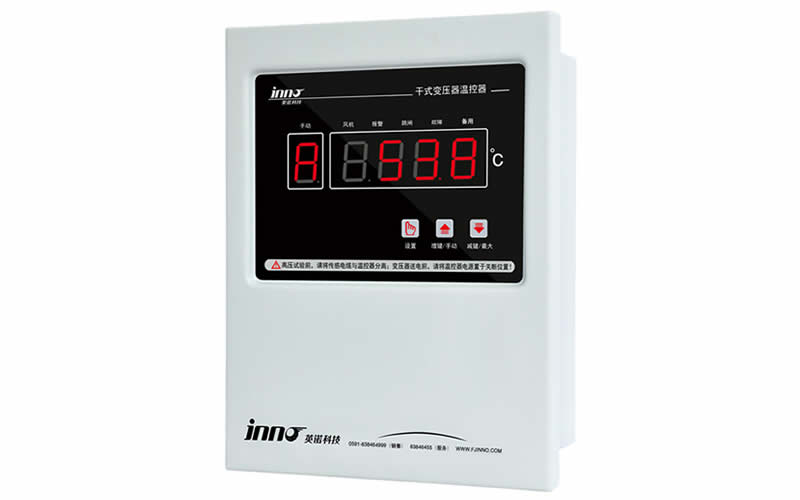
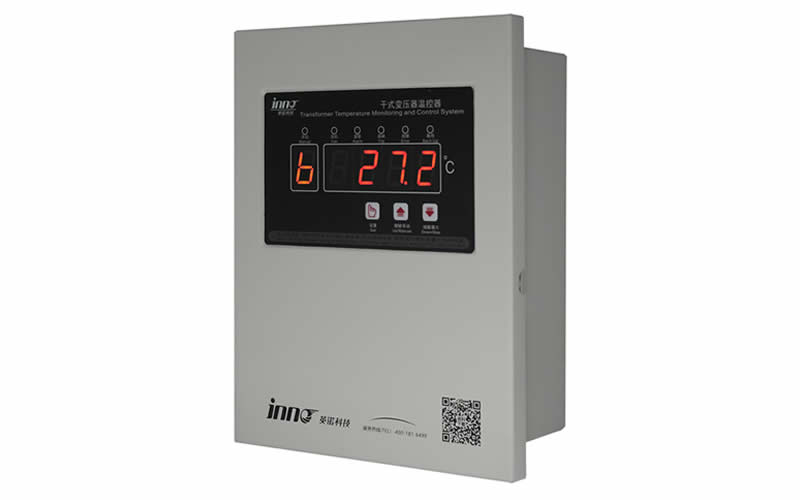
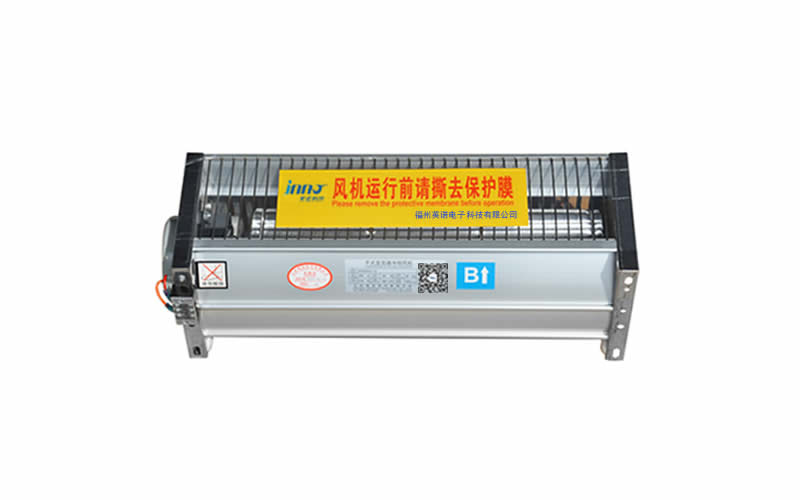
Innotransformer - dry type transformer temperature controller manufacturer, transformer winding temperature controller, transformer online monitoring system, oil level meter, switchgear temperature measurement device, transformer components\auxiliary equipment\accessories one-stop supplier. Reasonable price. Tel:13959168359

One-Stop Procurement Guide for Transformer Components: Thermostats, Oil Level Gauges, Gas Relays, and Pressure Relief Valves

June 11, 2026, 2:12:02 p.m.

Advantages of One-Stop Procurement: A wide variety of transformer components—including thermostats, oil level gauges, gas relays, pressure relief valves, cooling fans, and breather valves. Procuring all these items from a single supplier eliminates compatibility issues between multiple vendors, reduces the cost of back-and-forth communication, and centralizes after-sales responsibility. Component coordination...
Functions and Selection of Transformer Pressure Relief Valves: A Detailed Guide to the YSF Series Safety Protection System

June 11, 2026, 02:12:02

Function of the Pressure Relief Valve: The pressure relief valve is a critical safety component for oil-filled transformers and non-sealed electrical equipment. When a fault inside the transformer causes abnormal pressure buildup in the tank, the pressure relief valve automatically opens to rapidly release the pressure, thereby preventing deformation, cracking, or even explosion of the tank. Once the pressure drops to a safe level, the valve...

Working Principle and Selection Criteria for Transformer Gas Relays

June 10, 2026, 2:12:02 p.m.

Function of the Gas Relay: The gas relay is the primary protective device for internal faults in oil-immersed transformers and is installed on the connecting pipe between the transformer tank and the oil reservoir. When an internal fault in the transformer causes the insulating oil to decompose and produce gas or triggers oil surges, the relay contacts operate to activate the signal or trip circuit, providing two-level protection...

Guide to Selecting Transformer Oil Level Gauges: A Comparison of Analog and Remote-Reading Types

June 10, 2026, 02:12:02

Function of the oil level gauge: The volume of insulating oil in a transformer’s oil tank expands and contracts with temperature changes. The oil level gauge provides a real-time indication of the oil level, helping operations and maintenance personnel determine whether the oil volume is normal. Abnormal oil levels are an early indication of transformer leakage or internal faults. Dial-type oil level gauges: A float-linkage mechanism drives the pointer to indicate...

Key Points for the Installation and Maintenance of Dry-Type Transformer Cooling Fans

June 9, 2026, 2:12:02 p.m.

Key Points for Regular Inspections: Check quarterly to ensure the fan is operating normally and to look for any unusual noises or vibrations. Dust accumulation on the fan blades and protective grille can impair cooling efficiency; these should be cleaned regularly. Common malfunctions: Motor burnout (due to overload or single-phase operation), bearing wear (unusual noises after prolonged operation), loose or deformed fan blades (caused by impact, etc.)...

Guide to Selecting Cooling Fans for Dry-Type Transformers: A Comparison of the GFDD and GFD Series

June 9, 2026, 02:12:02

The Role of Cooling Fans: Cooling fans for dry-type transformers are essential auxiliary equipment for enhancing the transformer’s heat dissipation capacity. By using forced air cooling to lower the temperature of the windings, they enable the transformer to operate safely at rated capacity and even under overload conditions. GFDD Top-Blow and GFD Side-Blow: These two installation methods correspond to different airflow directions...

Temperature and Humidity Controllers for Electrical Distribution Cabinets: Principles, Selection, and Installation Guidelines

June 8, 2026, 2:12:02 p.m.

Purpose of Temperature and Humidity Controllers: The temperature and humidity conditions inside distribution cabinets and switchgear directly affect the insulation performance and service life of electrical equipment. Temperature and humidity controllers monitor the internal temperature and humidity in real time and automatically activate heaters or dehumidifiers to maintain the internal environment within safe limits. Dehumidification Method: Active semiconductor cooling...

Purchasing Guide for Oil-Filled Temperature Controllers and Transformer Assemblies

June 8, 2026, 02:12:02

One-stop supply capabilities: Oil-immersed transformers require more than just temperature sensors—components such as oil-surface temperature sensors, winding temperature sensors, oil level gauges, gas relays, and pressure relief valves can help avoid compatibility issues between multiple suppliers when sourced from a single provider. Technical compatibility is key: The CT matching of winding temperature sensors...

How to Choose a Temperature Controller for Transformer Windings? Principles of Thermal Simulation and Installation Guidelines

June 7, 2026, 2:12:02 p.m.

The Unique Value of Winding Temperature Controllers: A normal oil-level temperature does not necessarily indicate that the winding temperature is safe. Winding temperature controllers use thermal simulation technology to estimate the temperature of winding hotspots, focusing on the temperature at the most critical locations within the transformer’s insulation. For main transformers rated at 110 kV and above, winding temperature controllers are indispensable protective devices. Thermal modeling...

Guide to Selecting Transformer Oil Level and Temperature Controllers: A Comparison of Mechanical and Electronic Solutions

June 7, 2026, 02:12:02

Oil Level Thermostat: Specifically designed for measuring and controlling the oil temperature at the top of oil-immersed transformers. It features a mechanical temperature-sensing mechanism and can display the temperature independently without requiring an external power source. Equipped with multiple sets of adjustable electrical contacts to provide alarm and trip protection when temperatures exceed set limits. Three key selection criteria: The temperature measurement range must match the transformer’s operating...

What Is a Temperature Controller for Oil-Filled Transformers? A Detailed Explanation of How the BWY and BWR Series Work

June 6, 2026, 2:12:02 p.m.

The Necessity of Oil-Filled Transformer Temperature Controllers: During operation, the temperature of the insulating oil and windings in oil-filled transformers directly affects equipment safety and service life. Oil surface temperature and winding hotspot temperature are two distinct yet complementary monitoring parameters—the former measures the transformer’s external surface temperature, while the latter monitors the internal hotspot; both are indispensable. The BWY series (oil surface...

Key Considerations and Tips for Avoiding Pitfalls When Evaluating Dry-Type Transformer Thermostat Manufacturers

June 6, 2026, 02:12:02

The comprehensiveness of the product line is the primary consideration: Can the supplier of dry-type transformer temperature controllers offer a complete product line ranging from basic models (temperature display only) to full-featured models (display + alarm + fan + communication + current)? Suppliers with a comprehensive product line typically possess stronger R&D capabilities and more extensive engineering experience. Customized features...

Installation and Wiring Instructions for Dry-Type Transformer Temperature Controllers

June 5, 2026, 2:12:02 p.m.

Installation Location: The thermostat is flush-mounted on the transformer housing panel at a height that allows for easy operation and reading. The panel cutout dimensions are determined by the thermostat model. PT100 Wiring: Three-wire wiring is the most common method for connecting PT100 sensors, with two wires serving as current source lines and one as a voltage measurement line, which effectively compensates for...

Online monitoring of transformer on-load regulator switches: OLTC condition assessment and fault warning

June 5, 2026 02:12:02

The Necessity of OLTC Monitoring: The on-load tap changer is the only mechanical component in a transformer that operates frequently, and each tap-changing operation causes mechanical wear. OLTC failures are one of the major causes of unplanned transformer outages. Monitoring Items: Statistics on tap changer operation counts, monitoring of switching times, monitoring of drive motor current, ...

What is online monitoring of transformer DC bias? Principle, hazards and monitoring methods

June 4, 2026 14:12:02

DC bias phenomenon: When a DC current flows through the neutral point of a transformer into the windings, the magnetic flux in the core is asymmetrical between the positive and negative half-cycles, causing the core to saturate during one half-cycle. Sources of DC biasing include DC currents in the ground loop of a DC transmission system operating in a single-pole-to-ground configuration, as well as induced ground currents. Hazards: Half-cycle saturation of the core leads to...

Hydrogen in Transformer Oil Online Monitoring System: Principles, Advantages and Deployment Scenarios

June 4, 2026 02:12:02

The Role of Single-Hydrogen Monitoring: Hydrogen is the characteristic gas that appears earliest in nearly all types of transformer failures. Single-hydrogen monitoring systems cover the widest range of equipment with a streamlined design and cost-effective approach, detecting abnormal hydrogen signals at the earliest stages of a fault. Technical Implementation: By leveraging the fact that hydrogen molecules have the smallest volume and the highest permeability...

Online Inquiry

Click on the online customer service consulting

Phone

Phone Number:
13959168359

WeChat
WeChat

Click to copy the micro-signal 13959168359

Contact Us

联系地址&邮箱2969488289@qq.com