
For which applications is online transformer oil gas chromatography monitoring suitable? Main transformer status, gas trends, and platform integration
Date: August 4, 2026, 6:51:27 p.m.
- Online chromatographic monitoring of transformer oil is suitable for main transformers, transformers serving critical loads, and projects requiring long-term condition monitoring.
- Key project considerations include gas composition, sampling intervals, trend curves, and integration with backend systems.
- The value of oil gas chromatography data lies in its ability to continuously record changes in dissolved gases in the oil.
- Once integrated with the platform, it becomes easier to manage gas trends, sampling status, and historical records over the long term.
Online oil gas chromatography monitoring is commonly used in critical transformer projects. By continuously collecting data on dissolved gases in the oil, it provides long-term trend data to support equipment condition management.
1. Which projects are best suited for online oil chromatography monitoring?
This configuration is particularly suitable for main transformers, critical load equipment, equipment in continuous operation, and items requiring close monitoring.
1.1 Why is oil chromatography commonly used in main transformer projects?
Since the main transformer has a significant impact on operations, monitoring gas trends can help track changes in its internal condition.
1.2 Why Do Long-Term Operating Devices Require Continuous Data?
The baseline for the operational status of equipment in long-term operation is complex, and continuous data makes comparisons easier.
2. What gas data should be monitored in an oil chromatography system?
Common parameters include hydrogen, methane, ethylene, ethane, acetylene, carbon monoxide, carbon dioxide, and total hydrocarbons.
2.1 What is the significance of total hydrocarbon data?
Total hydrocarbons can reflect the overall level of flammable gases.
2.2 Why Are Multicomponent Trends Important?
Multicomponent trends provide a clearer picture of the relationships between gas changes.
| Project Type | Reasons for Concern | Value for the Price |
| Main Transformer | Significant Operational Impact | Staying Ahead of Gas Market Trends |
| Critical Loads | High reliability requirements | Persistent State Management |
| Equipment in Long-Term Operation | The historical baseline is complex | For easy comparison |
| Platform-Based Projects | Data Set Requirements | Unified Back-End Management |
3. How should sampling intervals and data stability be considered?
The sampling interval must meet project management requirements, and data stability must be assessed based on the continuity of the curve and the sampling status.
3.1 Is more frequent sampling always better?
Not necessarily. The sampling frequency should be tailored to the importance of the equipment and data management requirements.
3.2 Why is the sampling status displayed?
The sampling status indicates whether the current data comes from a stable data collection.
4. How is DGA data imported into the transformer condition monitoring platform?
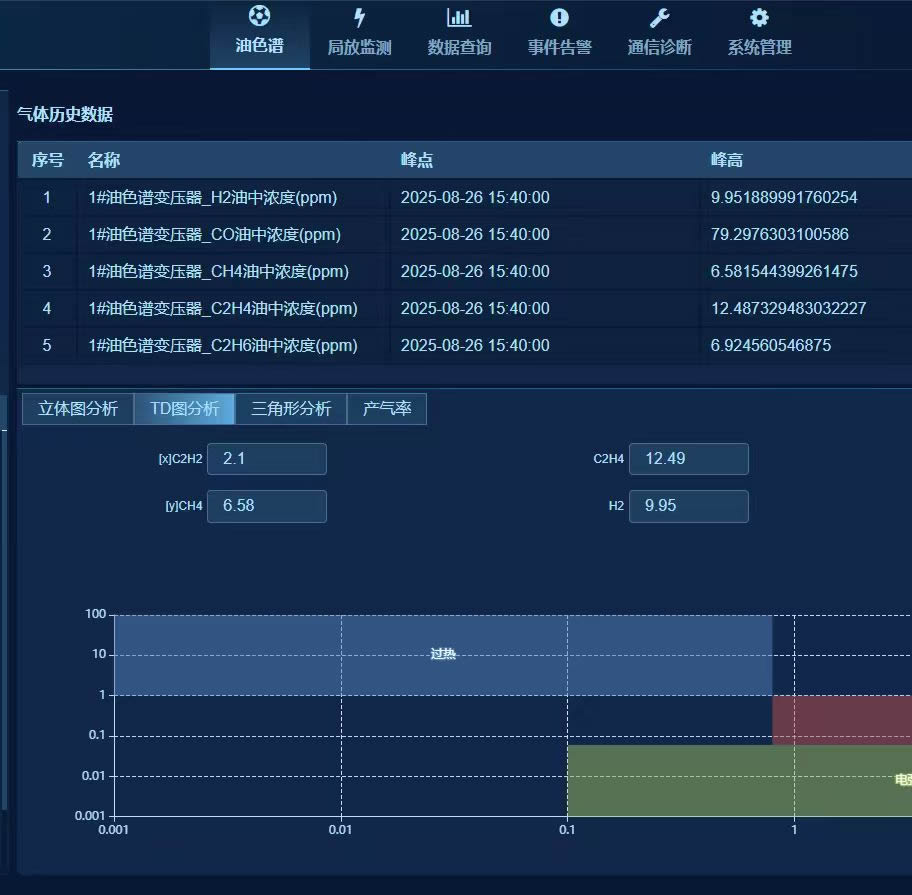
Once DGA data is imported via the backend, it can be integrated with otherTransformer monitoringCentralized data viewing. Online DGA Monitoring System for Transformers This allows relevant data to be entered into a centralized backend system, facilitating long-term viewing and maintenance.
4.1 What viewing options should the platform’s charts support?
Support for viewing different time ranges should be provided to facilitate the observation of short-term and long-term changes.
4.2 Why Should Gas Data and Equipment Records Be Linked?
Once linked, you can quickly locate a specific transformer and view its historical status.
5. What conditions should be considered when implementing an oil chromatography system?
Attention should be paid to oil line connections, equipment installation, communication conditions, power supply, and backend integration testing.
5.1 Why Are Hydraulic Connections Important?
The oil line connections affect sampling stability and future maintenance.
5.2 What should be checked during backend integration testing?
View the data name, units, graph, sampling status, and history.
6. What should be considered for the long-term maintenance of online oil chromatography monitoring systems?
For ongoing maintenance, monitor the sampling status, data completeness rate, gas trends, and the online status of the equipment.
6.1 What is the value of data completeness?
Complete data is better suited as a basis for assessing long-term trends.
6.2 Why Are Device Status Indicators Necessary?
Status alerts help maintenance personnel promptly identify data collection or communication issues.
If you need to configure online monitoring systems for substations, transformers, GIS, switchgear, and other applications, please contact Yinnotongda for technical support. Service Hotline: 13959168359 (same number on WeChat).
Disclaimer: This article is intended solely for technical exchange and reference purposes and should not be used as a basis for on-site operations, equipment modifications, or operational safety assessments. Specific solutions and parameters should be determined based on on-site conditions and official technical documentation.