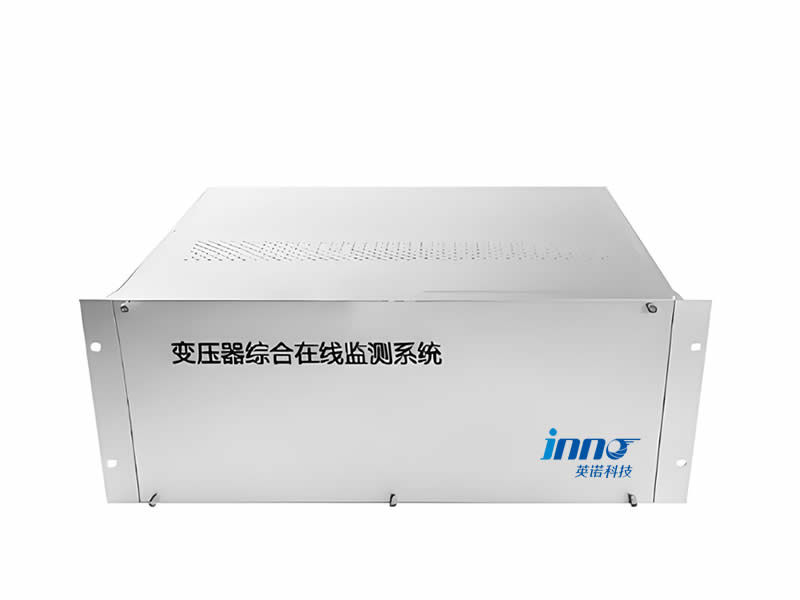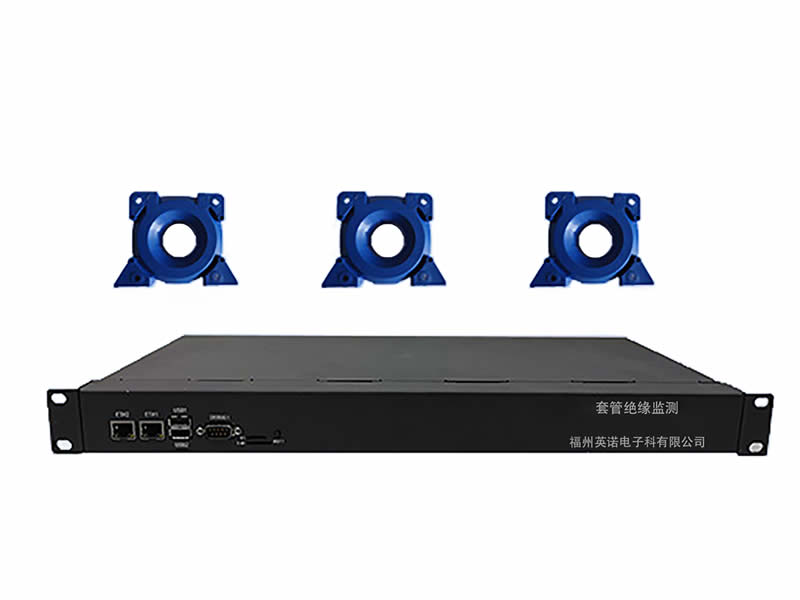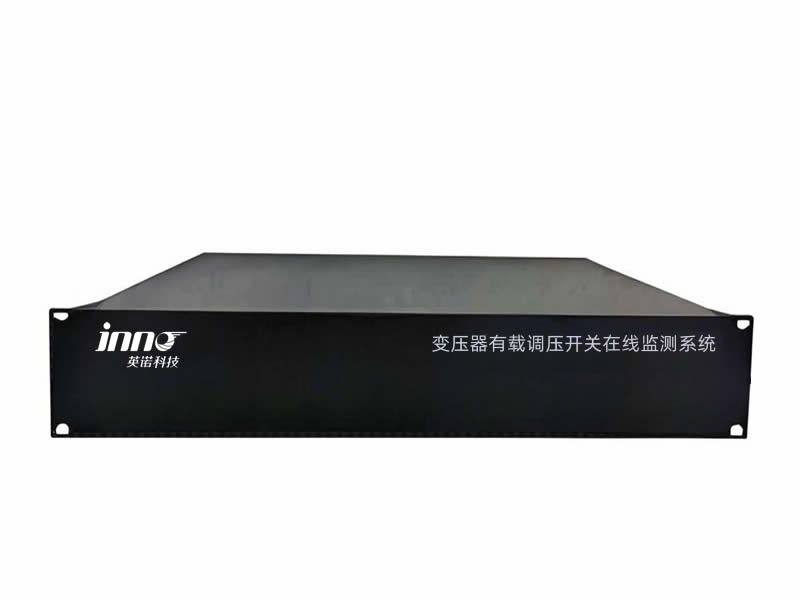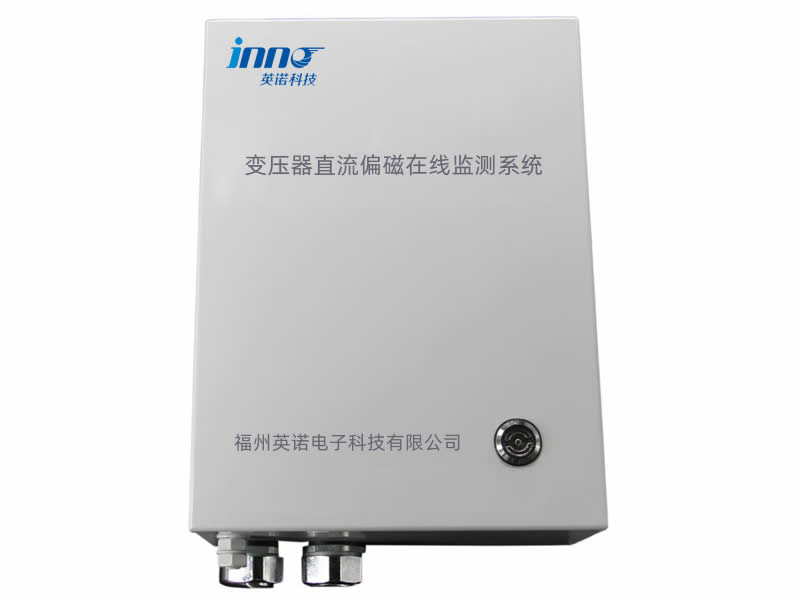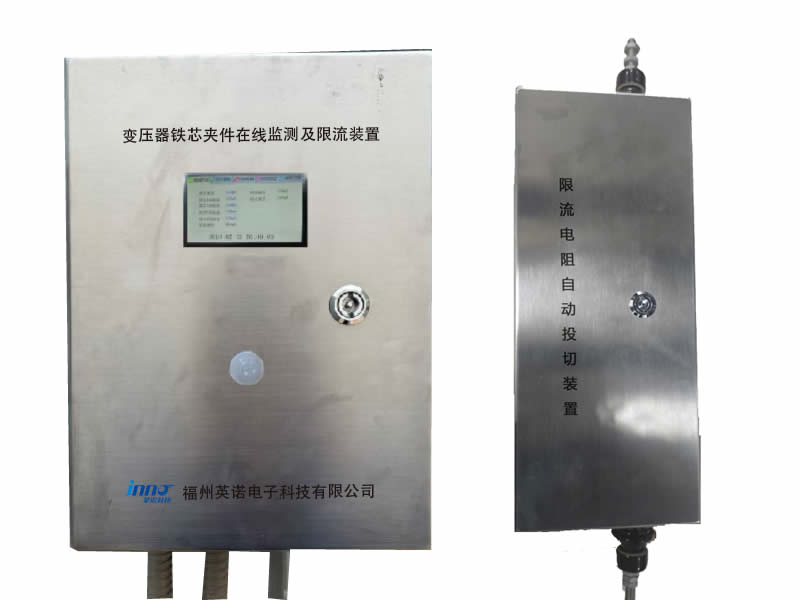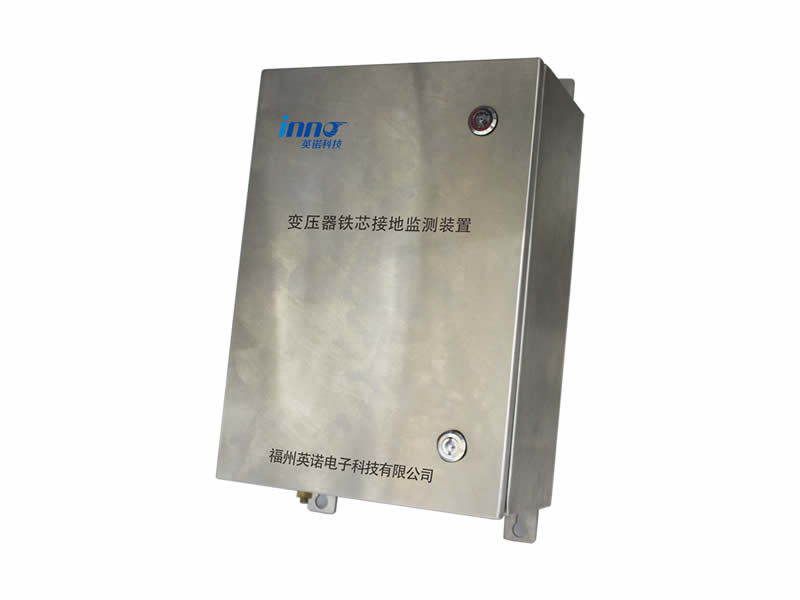
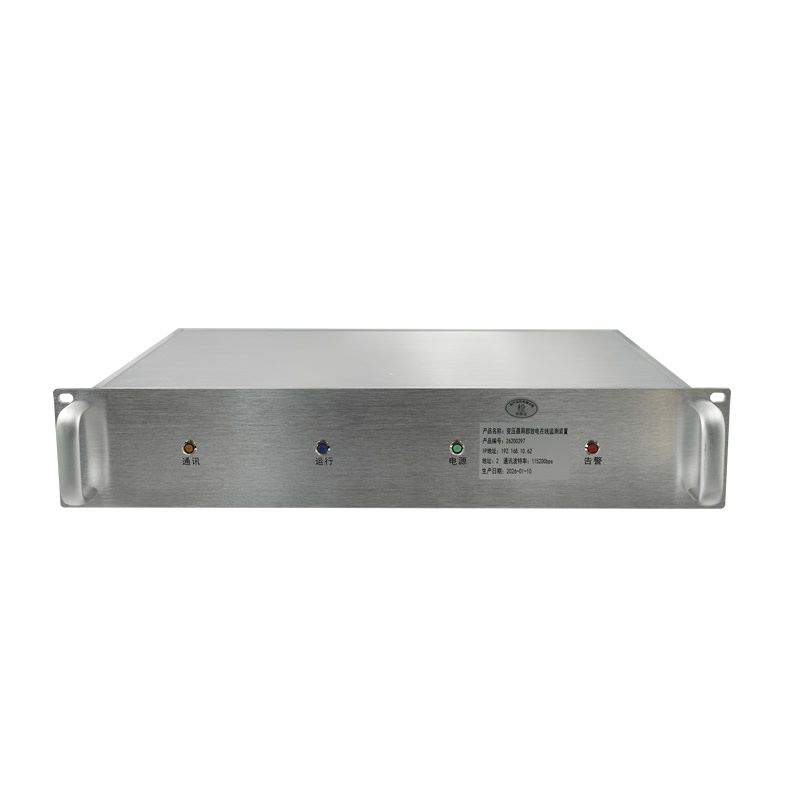


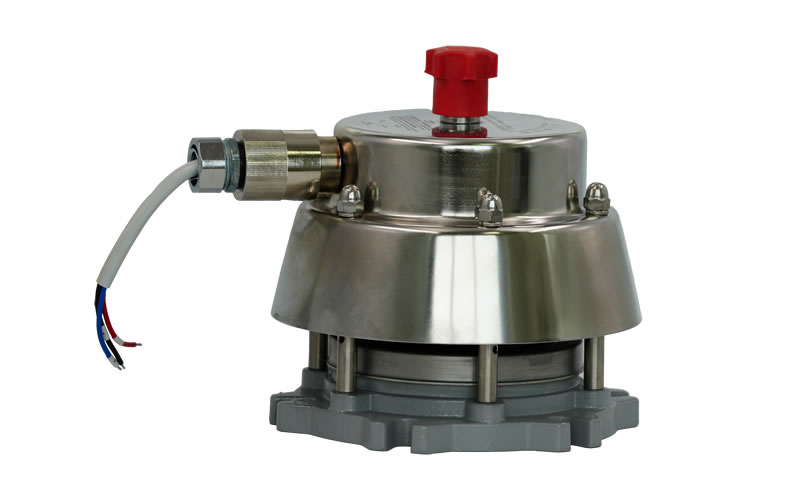
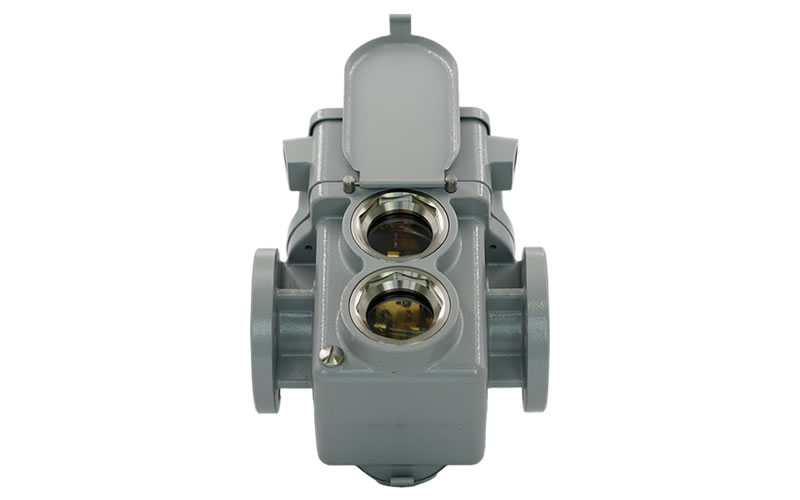
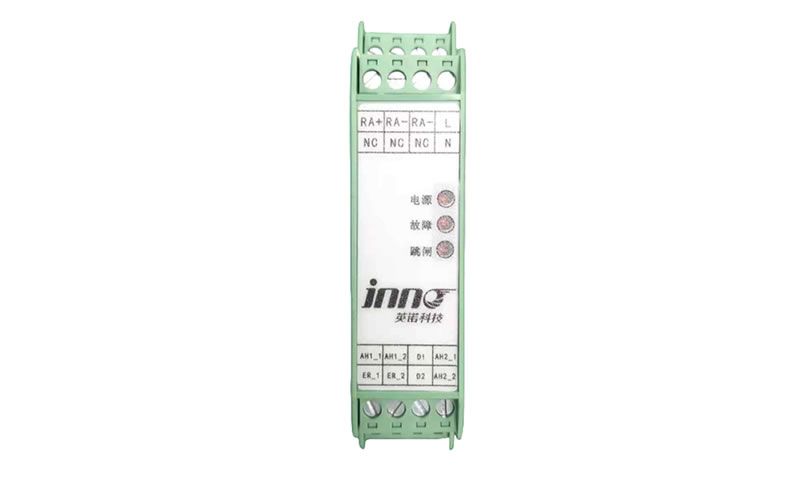
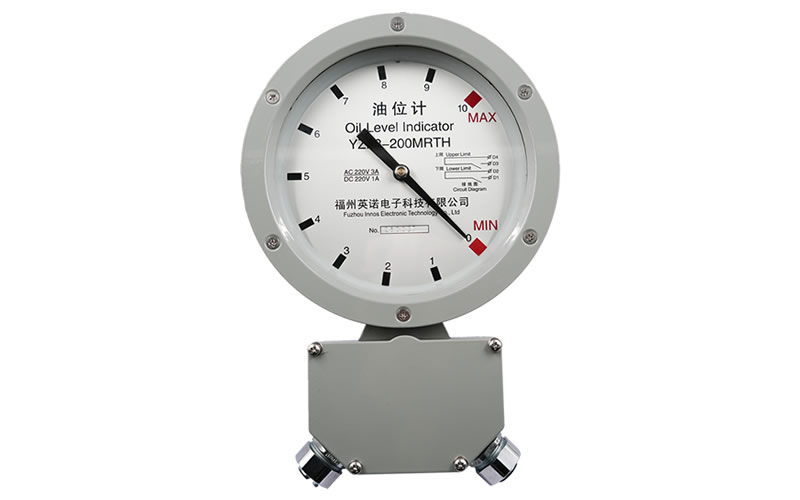


Transformer partial discharge online monitoring system solution consists of transformer partial discharge online monitoring device receiving host, ultrasonic local discharge sensor, high-frequency current local discharge sensor, oil valve special high-frequency local discharge sensor, partial discharge online monitoring system. The product adopts sensor signal detection, arrangement, database expert analysis and other technologies, which significantly improves the accuracy and response speed of partial discharge measurement; the product increases the anti-jamming circuit design, which ensures the stable operation in complex environments, and it is widely used in the monitoring of transformer's operation status as well as the partial discharge situation, and the comprehensive application of multiple types of sensors can accurately monitor the occurrence of partial discharge signals.
system structure
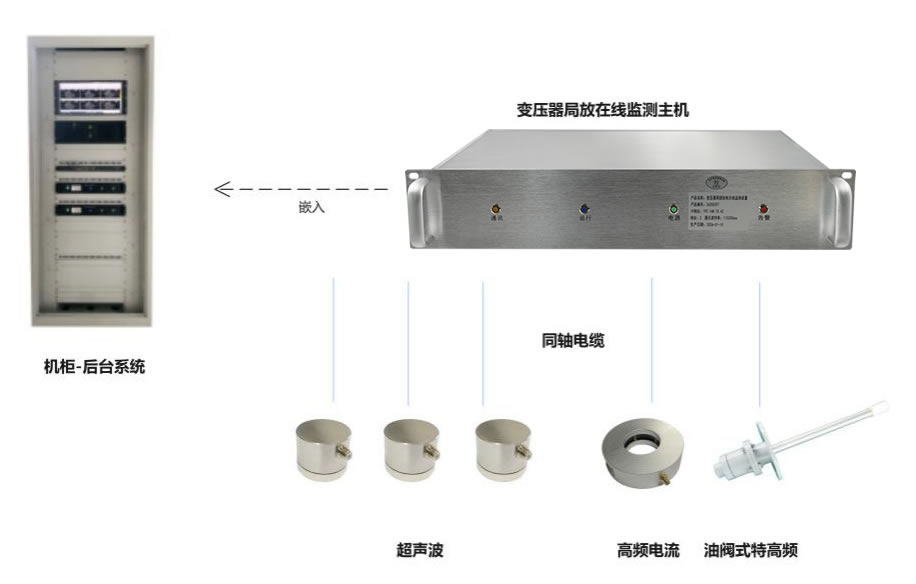
Including: transformer partial discharge online monitoring device receiving host, ultrasonic sensor + high-frequency current sensor + oil valve special high-frequency local discharge sensor, partial discharge online monitoring system.
offeringsfunctionality
- Transformer partial discharge online monitoring device through the sensor to monitor the transformer internal partial discharge, the sensor will collect the partial discharge data to the transformer partial discharge online monitoring device receiving host.
- Transformer partial discharge online monitoring device receives the host signal filtering, amplification, filtering processing, the data will be transmitted to the background monitoring software.
- The software visualizes the data in the form of maps, visualizes the monitoring situation in the form of 3D PRPD maps and PRPS maps, and achieves real-time monitoring of the partial discharge situation of the transformer.
Product Features
|
Transformer local line monitoring device |
||
| Transformer local line monitoring device | Measurement range | -20℃~+125℃ |
| Content of the test | Discharge amplitude (Q) | |
| Discharge phase (Ø) | ||
| Three-dimensional mapping (PRPD) | ||
| High Frequency Current Local Discharge Sensor | Monitoring bandwidth | 100kHz ~ 50MHz |
| Ultrasonic sensors | Monitoring bandwidth | 20kHz to 200kHz |
| Oil Valve UHF Local Discharge Sensor | Monitoring bandwidth | 300MHz~3000MHz |
| common parameter | Measurement range | -80 to 20dbm |
| Transmission Impedance | >=12mV/mA | |
| waterproof rating | IP68 | |
| Scope of monitoring | ≤20000Pc | |
Local Discharge Sensor
Transformer partial discharge online monitoring device can use different types of sensors and different test methods corresponding to different high-voltage equipment. The sensors are as follows:
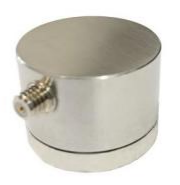
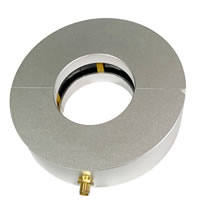
| name (of a thing) | Ultrasonic Local Discharge Transducers | High Frequency Current Local Discharge Sensor | Oil Valve UHF Local Discharge Sensor |
| sample drawing |
|
|
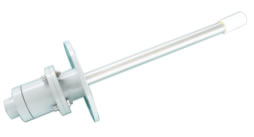 |
| functionality | Monitoring of the local discharge from the high-voltage coil in the tank by applying a coupling agent on the bottom and pressing it against the surface of the equipment. | Realization of high-frequency pulse current monitoring, transformer grounding cable current monitoring | The sensor inserts a movable probe into the transformer's internal insulating oil to monitor the internal oil insulation and assess the transformer's operational status. |
| Installation | magnetically | snap | plug-and-play |
| mounting position | Around the fuel tank | Core Ground | oil outlet |
Transformer local line monitoring device
Products
Transformer partial discharge online monitoring device at any time can monitor the high-frequency current local discharge sensor back to the local discharge signal, signal conditioning, buffer isolation, after filtering, signal amplification, complete high-speed acquisition, complete the measurement of a number of industrial frequency cycle time period, the sensor monitors the electromagnetic wave carried out by the maximum discharge amplitude, the average amount of discharge, the number of discharges and other effective data for measurement and calculation.
Product Features
| receive function | It is responsible for receiving the local discharge signal transmitted from the local discharge sensor. |
| processing function | The collected signals are conditioned, buffered and isolated, filtered and signal amplified to complete high-speed acquisition and measurement of multiple IF cycle time periods. |
| Computational Measurement | Effective data such as maximum discharge amplitude, average discharge, and number of discharges were measured and calculated for the electromagnetic waves detected by the sensor. |
| data output | With network transmission interface, it can meet the demand for centralized collection, analysis and processing of partial discharge monitoring data as well as uploading to the background. |
Technical indicators
| Transformer local line monitoring device
|
receive data | Ultrasonic waves, high frequency currents, ultra-high frequency signals |
| dynamic range | -80 to 20dbm | |
| sampling rate | 200MS/s | |
| Number of channels | 4、6 channels optional | |
| Channel Consistency | ≤0.5dbm | |
| communication method | RJ45 network port, RS485 interface | |
| sizes | 483mm x 89mm x 300mm (2U model)
(without terminals, handles) |
|
| Operating power | AC90~240V, 50~60HZ |
Installation
1 Recommended to use screen cabinets forfusion cabinetmaybegrouping of screensInstallation.
2Install the monitoring main unit in thebrothelof the panel and secured using screws.
3Connect the power cord, if the power cord is not long enough, you need to lengthen the power cord or buy a plug to connect.
 |
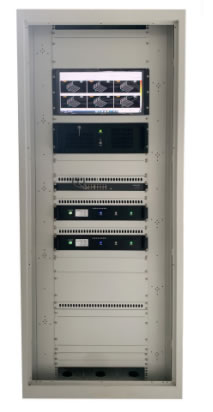 |
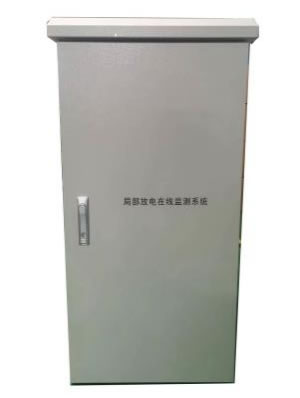
Convergence cabinet size: 1100*600*500mm
Screen cabinet size: 2200*600*800mm
Localized in line monitoring convergence cabinet (left) and screen cabinet (right) installation
Partial Discharge Online Monitoring System
System Introduction
The system is installed in the background computer of the main control room, which can monitor the partial discharge of the associated equipment in the operating state. The system software function is designed to be reasonably laid out and easy to operate, and the data is presented through graphical analysis, which is more intuitive.
system function
| Real-time monitoring | Can monitor, store and correlate equipment operating status local emission data; 3D spectrogram of local emission signals. |
| search function | Can query historical data curve, with statistical analysis, trend analysis function. |
| parameterization | With functions such as device parameter configuration and threshold setting, the main parameters can be programmed and set. |
| Type of monitoring | The monitored data includes data such as mean and peak values of amplitude, alarm levels, and plots. |