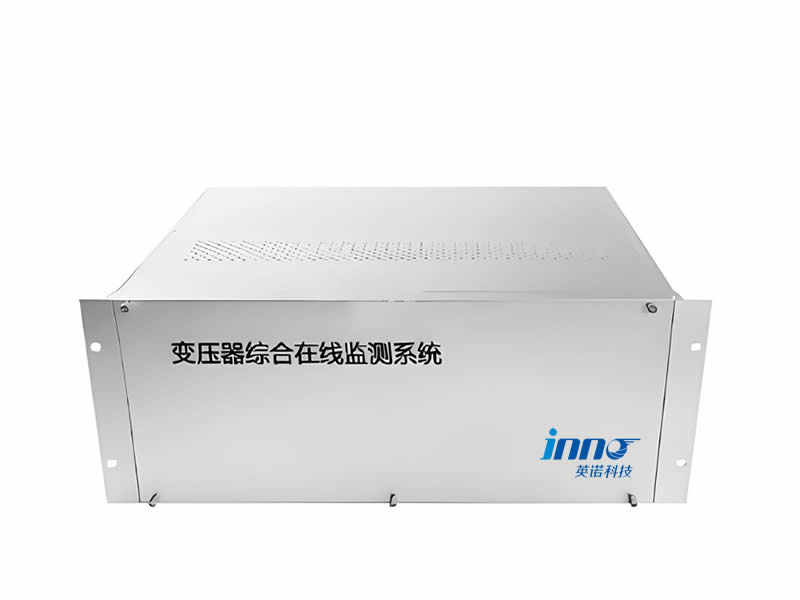




Transformer integrated online monitoring system
IN-200 Transformer Comprehensive Online Monitoring System
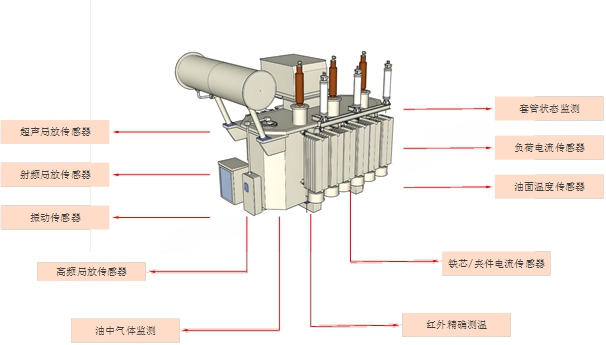
System Introduction
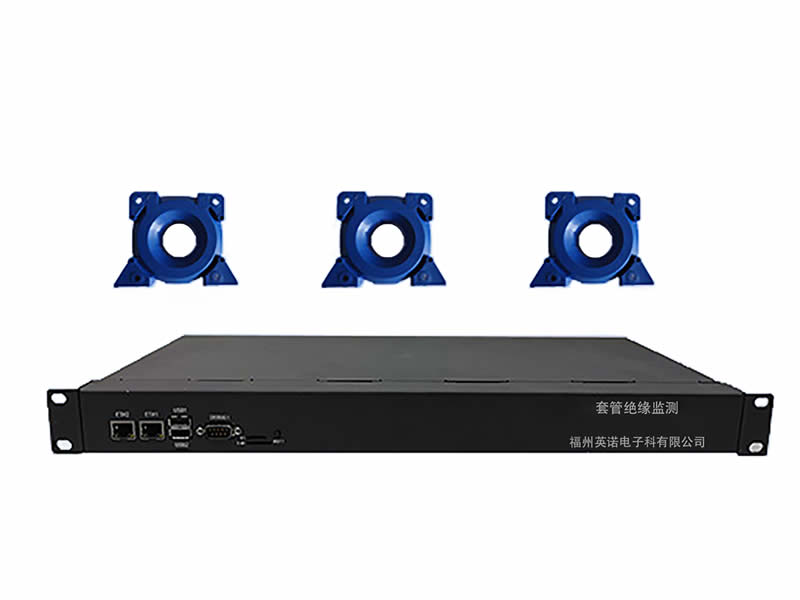
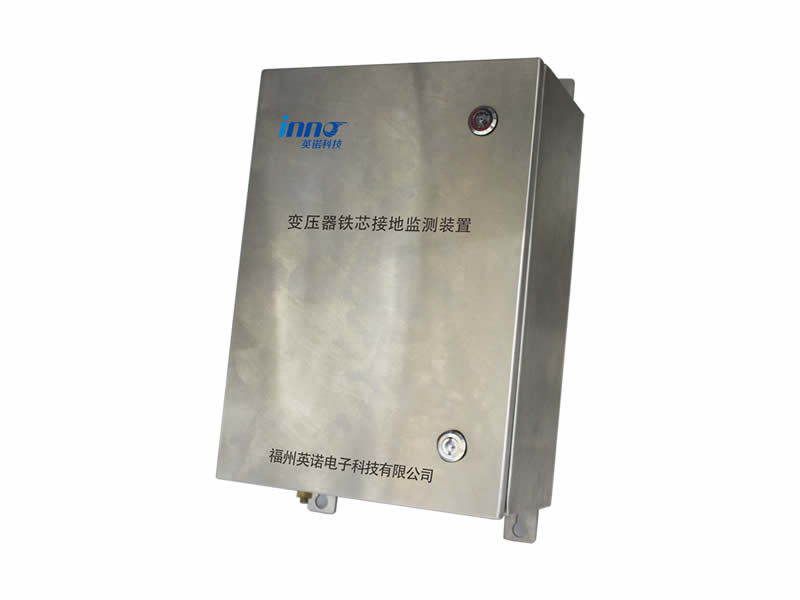
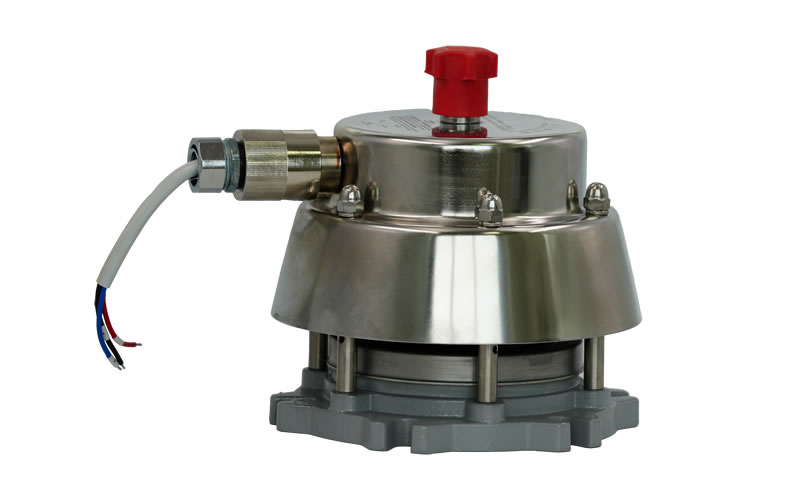
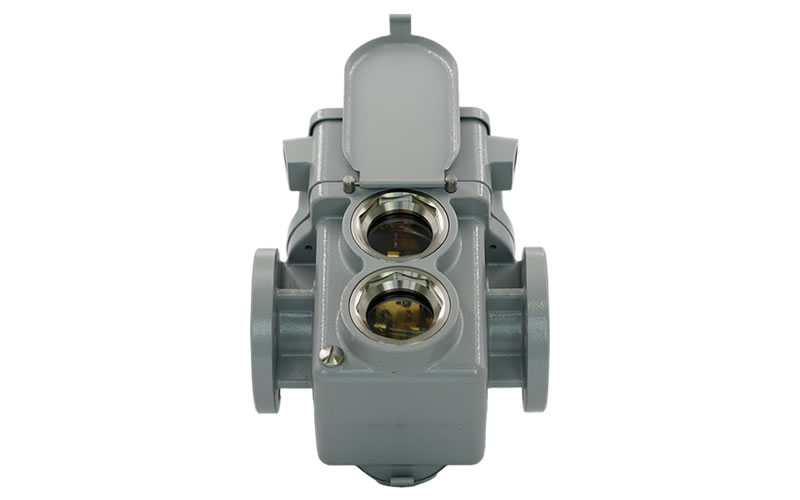
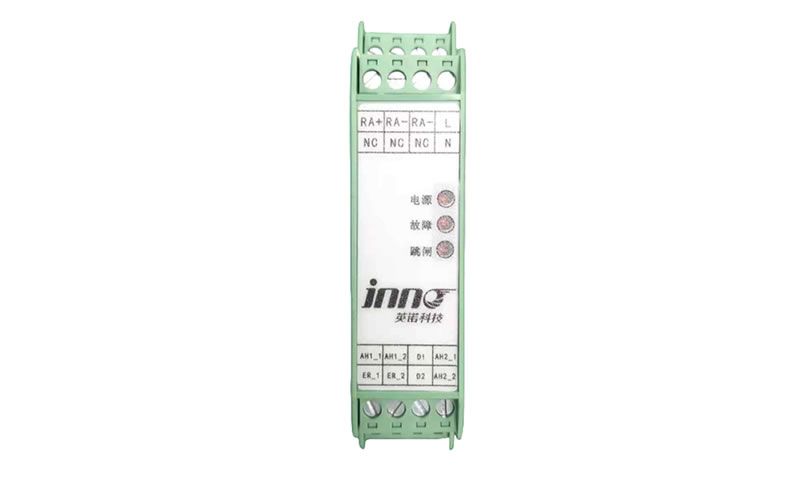
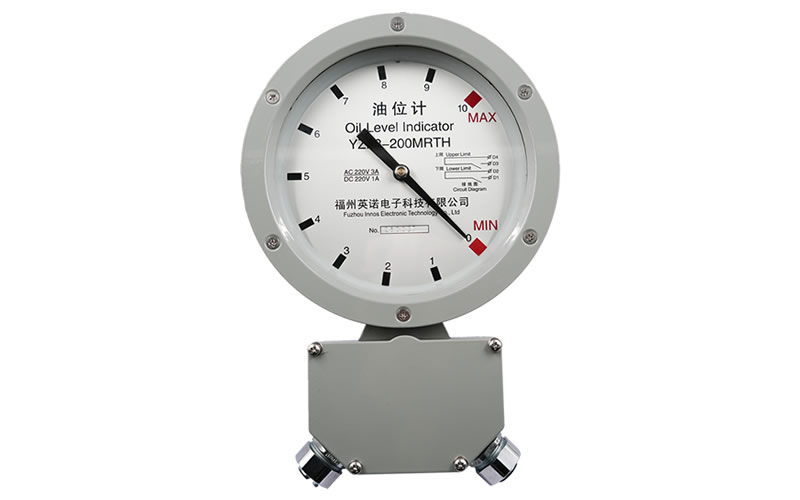
Transformer integrated online monitoring system consists of various intelligent sensing sensors, integrated monitoring unit and background monitoring system. The system can synchronously monitor transformer/reactor high-frequency local discharge, radio-frequency local discharge, ultrasonic local discharge, core/clamp ground current, vibration information, load information, oil temperature information, etc., and at the same time, it can access the gas in the oil, infrared imaging of the key parts/fiber-optic temperature measurement, etc., and make use of the built-in condition assessment model to integrate and analyze the multi-source parameters, so as to realize the comprehensive guardianship of the operating status of the transformer/reactor and health assessment of the equipment. health assessment.
Equipment parameters
| UHF local-amplifier bandwidth | 200MHz ~ 1.5GHz | HF local amplifier bandwidth | 3MHz ~ 30MHz |
| RF local amplifier bandwidth | 100MHz ~ 1GHz | Ultrasonic local release bandwidth | 80kHz ~ 200kHz |
| Vibration acceleration range | -10g ~ +10g | Casing insulation leakage current | 2mA ~ 1000mA |
| Cased HF local-amplifier bandwidth | 3MHz ~ 30MHz | Operating power | AC220V ±10% |
| communication protocols | DL/T860 (IEC61850) | external structure | 19-inch standard chassis or customized |
| built-in model | Condition assessment models, insulation aging models, health index models | environmental adaptation | Ambient temperature: -40℃ ~ +70℃; Ambient humidity: 0 ~ 95% (no condensation) |
Transformer comprehensive online monitoring system through the "multi-dimensional data acquisition → stable transmission → intelligent processing → accurate analysis → early warning push → operation and maintenance support" six links, to realize the real-time control of transformer operation status:
The following parameters are common to the network, the function can be customized, the latest information and price contact us to obtain].
- Electrical parameter acquisitionZero-flux current transformer (to monitor the full casing current), high-frequency local discharge sensor (to detect the internal local discharge signal), vibration sensor (to capture the vibration frequency of the core/winding), to collect 2mA-1000mA current, local discharge pulse signal, vibration amplitude, etc., the sampling frequency can be up to 1MHz, to ensure real-time and integrity of the data;
- Oil quality parameter acquisitionGas monitoring unit in oil continuously analyzes the content of dissolved H₂, CH₄, C₂H₂ and other characteristic gases in the transformer oil through gas chromatography sensors (detection accuracy up to 0.1 μL/L), and at the same time, oil temperature data are collected by the oil surface temperature sensors (measurement range - 40℃~+100℃, accuracy ±0.5℃);
- Insulation parameter acquisitionCasing monitoring module collects insulation performance data such as casing capacitance (100pF-50000pF) and dielectric loss value (0.001-0.3) through the dielectric loss measurement unit, and simultaneously monitors the core/clamp grounding current (accuracy ±1%) to determine whether the insulation is aged or defective.
- wired transmissionIt adopts shielded twisted pair or optical fiber, adapts Modbus, DL/T860 (IEC 61850) and other power industry standard communication protocols, with a transmission rate of 100Mbps, strong anti-electromagnetic interference capability, and is suitable for connection of fixed equipments in substations;
- wireless transmissionFor outdoor new energy power station and other inconvenient wiring scenarios, it supports 4G/5G or LoRa wireless communication, with a transmission distance of up to 5km (LoRa mode), a packet loss rate of ≤0.1%, and a function of continuous transmission at breakpoints to avoid data loss;
- Data preprocessing: Simultaneous data filtering (to remove electromagnetic interference noise) and format conversion (to JSON/XML format) during transmission, laying the foundation for subsequent processing.
- Data Cleaning: Outlier detection algorithms (e.g., 3σ principle) eliminate invalid data (e.g., out-of-range current values, sudden temperature changes) caused by sensor failures or transmission disturbances and retain valid samples;
- data integration: Integrate the data of different monitoring modules by "equipment number - acquisition time - parameter type" association, form the "status data file" of a single transformer, support the query of historical data by time dimension (minutes / hours / days);
- data storage: Adopt distributed database (e.g. MySQL cluster) to store data, local storage capacity ≥ 1TB (support 3 years of historical data retention), cloud storage support unlimited expansion, and at the same time have data backup function (daily automatic backup, retain 7 days backup file).
- Threshold comparison analysis: Compare the real-time parameters with national / industry standard thresholds (e.g. GB/T 17623-2017 "Gas Chromatographic Determination of Dissolved Gas Component Content in Insulating Oil"), e.g., if the C₂H₂ content in the oil is more than 5 μL/L, it is labeled as a "Potential Discharge Fault";
- Trend forecasting analysis: Based on historical data, algorithms such as linear regression and LSTM neural network are used to predict the trend of key parameters (e.g., weekly rise in oil temperature, monthly rate of change in dielectric loss value) and to identify slow-developing faults (e.g., insulation aging) in advance;
- Multi-parameter correlation analysis: Combine multiple parameters to comprehensively determine the type of fault, for example, "oil temperature increases + H₂, CH₄ content in the oil increases + vibration amplitude becomes larger", can be determined as "core overheating fault", to avoid single-parameter misjudgment.
- Early warning classificationSetting "Normal (green) - Attention (yellow) - Early warning (orange) - Emergency (red)" four levels of early warning, for example, "Dielectric loss value is slightly higher than the standard (0.02-0.03)" triggers a yellow warning, "Local discharge" triggers a red warning. For example, "the dielectric loss value is slightly higher than the standard (0.02-0.03)" triggers the yellow warning, "the local emission signal suddenly increases and the C₂H₂ in the oil exceeds the standard" triggers the red warning;
- push out early warningThe following four methods are supported: SMS, APP push, O&M platform pop-up window, sound and light alarm (substation local), the push content contains "equipment number, warning level, abnormal parameters, possible fault types, and recommended processing measures", for example, "#1 main transformer casing dielectric loss value of 0.035 ( Early warning), it is recommended to verify the insulation status on site within 24 hours";
- Early warning recordsAutomatically record the triggering time, parameter data and processing results of each warning to form "warning - disposal - closed loop" records, which is convenient for subsequent tracing and operation and maintenance optimization.
- Status assessment report: Monthly "Operational Condition Assessment Report" is automatically generated for single/multiple transformers, containing trend graphs of key parameters, early warning statistics, fault risk level (low / medium / high), scoring the equipment health (1-100 points);
- Operation and Maintenance Program Recommendations: Recommend specific measures for early warning situations, e.g. red warning recommends "emergency power outage for maintenance", yellow warning recommends "strengthen inspection frequency (from 1 time per week to 1 time per day)";
- Equipment life prediction: Based on long-term insulation and oil quality data, combined with the operating life of the equipment, the remaining life of the transformer is predicted (accuracy ±1 year), providing data support for equipment replacement (e.g., it is recommended that transformers operating for 15 years and with aged insulation be replaced as a matter of priority).
- topicalityThe shortest data collection interval is up to 1 second, and the delay from collection to early warning push is ≤30 seconds, ensuring early detection of faults;
- accuracyThe data error rate is ≤2% through redundant acquisition of multiple sensors (e.g., deploying 2 current transformers in one set of tubes) and cross-validation of multiple algorithms to avoid misjudgment and omission of judgment;
- automatizationNo manual intervention is required in the whole process, from data collection to report generation are automatically completed, reducing operation and maintenance labor costs;
- compatibilitySupport docking with power dispatching system (e.g. SCADA) and operation and maintenance management platform to realize data sharing and integrated management, and adapt to different brands and voltage levels of transformers (110kV-1000kV).